Reducing Downtime in Gas Turbines Through Innovative Lubrication Solutions

Understanding the Importance of Lubrication in Power Generation
Role of Lubricants in Gas Turbines
Gas turbines demand precise lubrication to handle extreme speeds and temperatures during electricity production. Turbine oils form a protective film that reduces friction on bearings and shafts while dissipating heat effectively. Without proper lubricants, metal-to-metal contact accelerates wear and invites sudden failures. Power generation lubrication strategies focus on selecting formulations that resist oxidation and maintain viscosity under load. Operators monitor oil flow rates and pressures to ensure consistent coverage across critical components. These measures directly support continuous operation in plants where even brief interruptions affect grid stability. Advanced oils also handle contaminants from combustion byproducts, preserving internal cleanliness over extended service intervals.
Beyond basic film formation, modern turbine lubricants must exhibit exceptional thermal conductivity to transfer heat away from high-speed rotors operating above 10,000 RPM. Synthetic base stocks such as polyalphaolefins (PAOs) or ester blends provide superior oxidative stability compared with conventional mineral oils, allowing safe operation at bulk oil temperatures exceeding 80 °C. Additives including zinc dialkyldithiophosphate (ZDDP) and phenolic antioxidants create a synergistic defense against both wear and varnish precursors generated during cyclic loading. Flow meters and differential-pressure sensors continuously verify that lubricant delivery matches OEM curves, preventing starvation during rapid startups or load rejections that could otherwise cause instantaneous bearing damage.
Impact of Lubrication on Uptime and Reliability
Effective power generation lubrication extends equipment life and minimizes unplanned outages. Reliable lubricant films prevent scoring on rotating parts, allowing turbines to run at peak output for longer periods. Plants that track lubricant condition through regular sampling achieve higher uptime because they catch degradation early. Reliability improves when maintenance teams replace oils before acidity levels rise or particles accumulate. Downtime drops sharply once lubrication practices align with OEM specifications for each turbine model. Consistent application of greases on auxiliary systems further reduces vibration that could otherwise trigger shutdowns. Overall, optimized lubrication becomes a core driver of operational confidence in competitive energy markets.
Statistical analysis of plant data reveals that units adhering to rigorous lubrication programs experience mean time between failures (MTBF) increases of 30–50 percent. Online particle counters and Fourier-transform infrared spectroscopy detect early oxidation and additive depletion, enabling condition-based oil changes rather than calendar-based replacements. This predictive approach not only lowers lubricant consumption but also reduces the risk of forced outages that can cost utilities hundreds of thousands of dollars per day in lost revenue and imbalance penalties. Furthermore, properly lubricated gearboxes and couplings exhibit lower acoustic emissions, contributing to overall plant reliability metrics tracked by regional transmission organizations.
Comparison of Lubrication Needs Across Energy Sources
Gas turbines require high-temperature synthetic oils that resist varnish formation, unlike the heavier gear oils common in hydroelectric power plants. Nuclear energy facilities emphasize radiation-resistant lubricants and strict cleanliness protocols to protect reactor cooling systems. Wind turbines rely on synthetic greases applied through automated systems because nacelles sit high above ground and face variable loads. Mining operations and coastal environments add demands for corrosion inhibitors due to dust or salt exposure. Power generation lubrication programs therefore adapt base stocks and additives to match each source’s operating profile while maintaining efficiency across the fleet.
Hydroelectric units often employ ISO 220–320 gear oils fortified with extreme-pressure additives to accommodate slow-speed, high-torque conditions and frequent water exposure. Nuclear applications demand lubricants qualified under strict radiation-resistance testing, typically using highly refined Group III or PAO base oils with minimal aromatic content to limit degradation under neutron flux. Wind-turbine main-shaft and pitch bearings utilize lithium-complex or polyurea greases with excellent water-resistance and mechanical stability across temperature swings from –40 °C to +80 °C. Coastal or desert installations Royal Purple Industrial lubricant incorporate vapor-phase corrosion inhibitors and enhanced seal materials to counteract salt fog or abrasive silica dust, demonstrating how site-specific environmental factors dictate lubricant formulation strategies across the energy sector.
Innovative Lubrication Solutions for Gas Turbines
Advanced Lubrication Technologies
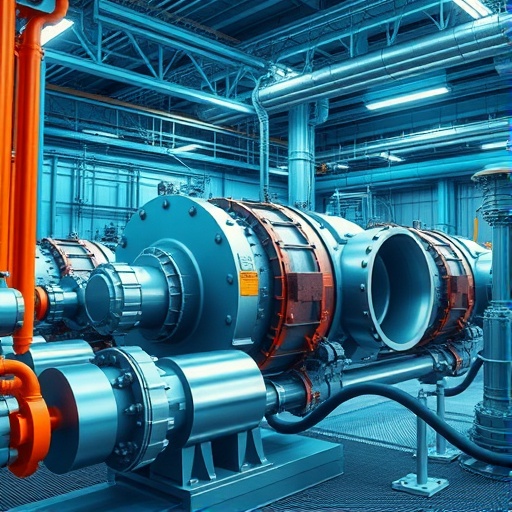
Modern turbine oils incorporate antioxidants and anti-wear additives that extend drain intervals beyond traditional mineral products. These technologies reduce sludge buildup inside bearings and improve thermal stability during rapid load changes. Some formulations include nano-particles that repair microscopic surface imperfections without harming seals. Power plants adopting these products report fewer filter changes and lower maintenance costs over multi-year cycles. Compatibility testing with existing seals and metallurgy remains essential before full rollout. Manufacturers continue refining base oil groups to meet stricter emissions standards while preserving film strength under high shear.
Emerging nano-additive packages containing functionalized graphene or ceramic particles form self-healing tribofilms that reduce the coefficient of friction by up to 15 percent under boundary lubrication regimes. In parallel, Group IV and Group V synthetics deliver viscosity indices above 150, ensuring consistent film thickness across wide operating temperature ranges. Field trials at combined-cycle facilities have documented drain-interval extensions from 18 months to more than 36 months, translating into measurable reductions in waste-oil handling and disposal costs while maintaining ISO cleanliness codes below 16/14/11.
Condition Monitoring Systems for Effective Lubrication
Online sensors now track moisture, particle counts, and temperature in real time within lubrication systems. Data feeds into plant control rooms so technicians can schedule interventions before oil quality drops below critical thresholds. Portable analyzers complement fixed monitors by providing rapid field checks during outages. Integration with computerized maintenance systems flags trends that predict impending varnish or bearing distress. Power generation lubrication teams use these insights to optimize flush schedules and avoid unnecessary oil replacements. The approach cuts downtime while supporting regulatory documentation requirements for reliability reporting.
Advanced dielectric sensors and laser particle counters stream data via industrial IoT protocols to centralized dashboards, enabling machine-learning algorithms to forecast remaining useful life of the lubricant with greater than 85 percent accuracy. Integration with distributed control systems triggers automatic alarms when moisture exceeds 200 ppm or when particle counts breach ISO 18/16/13 limits. Portable test kits employing membrane patch colorimetry allow rapid on-site varnish potential assessment during short outages, supporting data-driven decisions that have reduced unplanned turbine trips by 40 percent in documented installations.
Varnish Prevention Techniques
Varnish deposits form when oxidized oils break down under heat, coating valves and servo mechanisms. Electrostatic filtration units remove soluble precursors before they precipitate on metal surfaces. Regular system flushes with compatible cleaners restore flow paths without full disassembly. Some operators add antioxidant boosters during top-ups to slow degradation rates. Keeping reservoir temperatures below design limits also limits varnish growth. Plants that combine these techniques with strict particulate control maintain higher cleanliness codes and experience fewer control system trips.
Supplementary strategies include nitrogen blanketing of oil reservoirs to reduce oxygen ingress and deployment of ion-exchange filters that selectively remove acidic oxidation products. Operators also implement temperature-controlled bypass cooling loops that maintain reservoir temperatures 5–10 °C below OEM maxima, dramatically slowing varnish formation kinetics. Together these measures have enabled several plants to sustain MPC varnish potential values below 10 for multi-year operating cycles, virtually eliminating servo-valve sticking events that previously caused load rejections.
Enhancing Efficiency and Reducing Downtime
Strategies for Optimal Lubricant Selection
Engineers evaluate viscosity index, pour point, and additive packages against specific turbine duty cycles before approving new oils. OEM approval lists narrow choices while field trials confirm performance under actual load profiles. Blending higher-quality base stocks often offsets higher upfront costs through extended service life and reduced energy losses from friction. Power generation lubrication audits compare current products against emerging options that offer better water separation or foam resistance. Documentation of selection rationale supports future audits and insurance evaluations.
Life-cycle cost modeling incorporates not only purchase price but also energy-efficiency gains from lower internal friction, projected drain intervals, and disposal fees. Many facilities now require third-party laboratory validation of new lubricants under ASTM D943 oxidation stability and FZG gear scuffing tests before fleet-wide adoption, ensuring compatibility with legacy seal elastomers and metallurgy while maximizing return on lubrication investment.
Maintenance Best Practices for Power Plants
Scheduled oil analysis at fixed hour intervals catches contamination before it affects rotating equipment. Technicians use dedicated grease guns with measured shot volumes to avoid over-lubrication that attracts dirt. Seal inspections during minor outages prevent ingress of process gases that degrade lubricants. Training programs emphasize proper storage to keep drums free of water and cross-contamination. Plants that standardize procedures across multiple units achieve more consistent results and lower overall maintenance costs through repeatable workflows.
Standardized lubrication management systems now incorporate QR-code tracking of every grease point and oil sample, ensuring traceability and eliminating procedural drift between shifts. Annual training modules certified by the International Council for Machinery Lubrication reinforce best practices in contamination control, while cross-functional reliability teams conduct quarterly lubrication audits that have collectively reduced bearing-related failures by more than 25 percent across multi-site portfolios.
Inventory Management for Lubricants
Centralized tracking systems monitor stock levels of turbine oils, greases, and filter elements to prevent shortages during peak demand. Barcode labeling reduces ordering errors and supports first-in-first-out rotation. Bulk storage tanks require periodic integrity checks to maintain product quality. Contracts with suppliers that include emergency delivery clauses protect against extended lead times. Effective inventory management for lubricants also involves forecasting consumption based on historical drain intervals and planned outages.
Enterprise resource planning integration enables real-time visibility of lubricant consumption rates, allowing procurement teams to negotiate volume-based pricing and consignment stock arrangements. Climate-controlled storage warehouses equipped with desiccant breathers and temperature monitoring preserve product integrity, while safety-stock calculations based on historical outage schedules ensure critical turbine oils remain available even during global supply disruptions.
Case Studies and Success Stories
Hydroelectric Power Plant Innovations
A hydroelectric power plant on the coast upgraded its turbine oils after repeated bearing failures traced to water ingress. New formulations with improved demulsibility restored uptime and cut annual lubricant consumption by nearly forty percent. Condition monitoring sensors installed on thrust bearings provided early alerts that allowed proactive filtration. The project demonstrated how targeted power generation lubrication changes deliver measurable reliability gains in wet environments.
Nuclear Energy Lubrication Success
Nuclear energy stations maintain rigorous cleanliness standards that extend to every lubrication point. One facility introduced varnish-resistant turbine oils and electrostatic separators, eliminating repeated servo valve replacements. Detailed documentation of oil condition supported regulatory reviews and reduced audit preparation time. The lubrication program contributed to record continuous run lengths between refueling outages.
Lessons from Wind Turbines
Wind turbines operating in dusty mining regions adopted automated lubrication systems that deliver precise grease volumes to main bearings. Remote monitoring of grease condition reduced manual climbs and associated safety risks. Data from these installations informed similar condition-based approaches for gas turbines in comparable environments. Cross-industry sharing of best practices accelerates adoption of proven techniques that lower downtime across energy sectors.
Future Trends in Power Generation Lubrication
Emerging Technologies in Lubricants
Bio-based synthetic oils are entering testing for gas turbines where biodegradability requirements grow stricter. Sensor-embedded filters now transmit remaining life data directly to maintenance dashboards. Additive packages tailored through molecular modeling promise longer oxidative stability without increasing toxicity. These developments support higher efficiency targets while meeting evolving environmental regulations for power generation lubrication.
Sustainability in Lubrication Practices
Closed-loop recycling of used turbine oils recovers base stocks and reduces virgin oil demand. Plants track carbon footprints associated with lubricant production and disposal as part of broader sustainability reporting. Re-refined products meeting OEM specifications gain wider acceptance once performance data confirms parity with new oils. Sustainability efforts also include selecting greases free of heavy metals that complicate end-of-life handling.
The Role of Expertise in Maintenance and Performance
Specialized lubrication engineers bring deep knowledge of fluid dynamics and additive chemistry to complex turbine applications. Their assessments guide decisions on flush frequencies, filtration upgrades, and product transitions. Collaboration with OEM technical teams ensures alignment between lubricant choices and warranty conditions. Ongoing training keeps plant staff current on new condition monitoring tools and varnish mitigation methods. Expertise ultimately translates into sustained efficiency and lower total cost of ownership for power generation assets.