Navigating the Complexities of Swiss Machining Capabilities
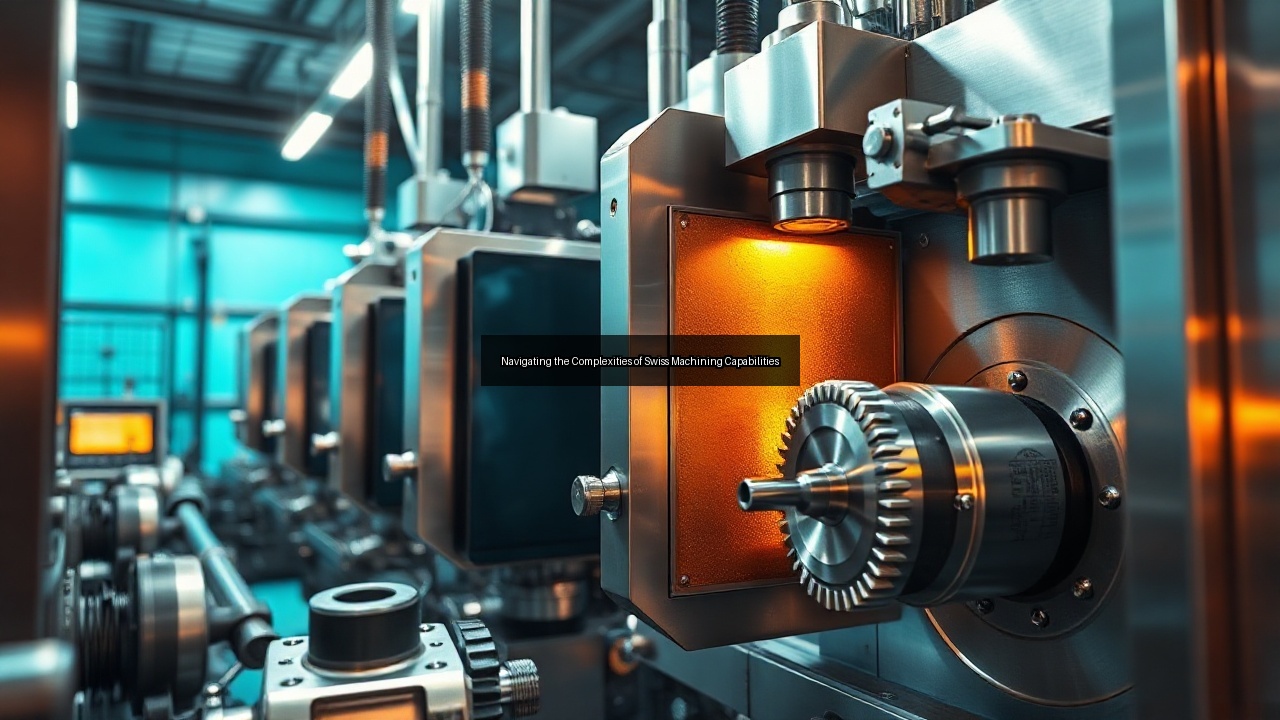
Understanding Swiss Machining Services
What is Swiss Machining?
Swiss machining services represent a specialized form of precision machining that utilizes Swiss-style lathes to produce complex, high-precision components. Originating in Switzerland, this machining method focuses on creating intricate parts that often require tight tolerances and superior surface finishes. Swiss machining primarily excels in the manufacturing of small-diameter components, which makes it a preferred choice for industries demanding high precision and reliability. The process involves the use of a rotating workpiece and a stationary cutting tool, allowing for a smooth, efficient machining operation. This unique capability to work with materials ranging from metals to plastics makes Swiss machining a versatile option for various applications.
Key Features of Swiss Machining
Swiss machining services stand out for several key features that enhance their appeal in the manufacturing sector. First, the ability to maintain tight tolerances sets Swiss machining apart from traditional machining methods. Tolerances as tight as ±0.001 inches are achievable, which is essential for applications in aerospace and medical device manufacturing. Second, the speed of production is a significant advantage. Swiss lathes can perform multiple operations in a single setup, reducing cycle times and increasing overall efficiency. Lastly, the capability to produce complex geometries with minimal waste is crucial. Swiss machining utilizes advanced tool paths and programming to maximize material usage, making it a cost-effective solution for high-precision components.
The Role of Swiss Lathes in Precision Machining
Swiss lathes play an integral role in the realm of precision machining. These machines are specifically designed to produce small, intricate parts, making them ideal for industries such as aerospace, medical, and automotive. The design of Swiss lathes allows for the simultaneous operation of multiple tools, which significantly accelerates the production process. Additionally, these lathes can handle various materials, including metals and plastics, providing manufacturers with the flexibility needed for diverse projects. The high-speed capability of Swiss lathes ensures that production remains efficient without compromising quality, making them an invaluable asset in any machine shop focused on precision machining.
Applications and Industries Utilizing Swiss Machining
Aerospace Industry Demands
The aerospace industry heavily relies on Swiss machining services due to their need for high precision and reliability. Components such as turbine cnc swiss machining services blades, landing gear assemblies, and fuel systems require strict adherence to tolerances and quality cnc swiss machining services standards. Swiss machining excels in producing these parts, often incorporating lightweight materials that meet the industry's rigorous performance demands. The ability to create complex geometries while maintaining structural integrity is vital in aerospace applications. Moreover, compliance with strict regulations and certifications, such as AS9100, underscores the importance of quality assurance in the Swiss machining process. As the aerospace sector continues to evolve, the demand for precision machined components will only grow, solidifying Swiss machining's position as a critical service provider.
Medical Device Manufacturing and ISO 13485
In medical device manufacturing, Swiss machining services play a crucial role in producing components that meet the stringent requirements of ISO 13485. This standard focuses on quality management systems specific to medical devices, ensuring that products consistently meet customer and regulatory requirements. Swiss machining is particularly advantageous in this field due to its precision and ability to work with biocompatible materials. Components such as surgical instruments, implants, and diagnostic equipment require meticulous attention to detail, which Swiss machining provides. The combination of advanced machining capabilities and adherence to ISO standards ensures that manufacturers can deliver high-quality medical devices that enhance patient safety and performance.
Automotive Applications of Swiss Screw Machining
The automotive industry benefits significantly from Swiss screw machining, which specializes in producing small, precise components such as screws, fittings, and fasteners. The ability to create high volumes of these parts quickly and accurately is essential in an industry where performance and safety are paramount. Swiss screw machines allow manufacturers to produce intricate designs with the necessary strength and durability required for automotive applications. Additionally, the flexibility of Swiss machining enables customization for specific vehicle models and parts, ensuring that manufacturers can meet diverse client needs. As the automotive landscape shifts toward electric and autonomous vehicles, the demand for precision-engineered components will continue to rise, further integrating Swiss machining into the manufacturing process.
Quality Assurance and Inspection in Swiss Machining
ISO Standards in Machining Services
Quality assurance in Swiss machining services revolves around adhering to stringent ISO standards that govern manufacturing processes. These standards ensure that products meet international quality benchmarks, providing customers with confidence in the reliability and performance of machined components. ISO 9001, which focuses on quality management systems, is commonly implemented in machine shops to streamline processes and enhance customer satisfaction. Additionally, specialized standards such as ISO 13485 for medical devices further emphasize the importance of quality control in specific industries. By embracing ISO standards, manufacturers can minimize defects, reduce waste, and maintain a competitive edge in the marketplace.
Quality Control Processes in Machine Shops
Quality control processes in machine shops are crucial for maintaining the integrity of Swiss machining services. These processes typically involve multiple stages of inspection and testing to ensure that every component meets specified tolerances and quality standards. Machine shops employ advanced measurement tools, such as coordinate measuring machines (CMM) and optical comparators, to accurately assess the dimensions and finishes of machined parts. Additionally, regular maintenance of machinery and adherence to operational protocols further enhance quality assurance. By implementing rigorous quality control measures, manufacturers can identify and rectify issues early in the production process, thereby reducing costly rework and ensuring consistent quality in every batch of components.
The Importance of Inspection in Precision Machining
Inspection is a critical aspect of precision machining that cannot be overlooked. It serves as a final checkpoint to verify that components meet the required specifications before they reach the client. In Swiss machining, where tolerances can be exceptionally tight, thorough inspection processes are essential to prevent defects that could lead to operational failures. Inspections may include visual checks, dimensional measurements, and functional tests, depending on the complexity of the part and its intended application. The emphasis on inspection not only assures quality but also builds trust with clients, reinforcing the reputation of manufacturers as reliable, quality-driven service providers.
Advancements in Swiss Machining Technology
The Role of CNC and Automation
Advancements in CNC technology and automation have significantly transformed Swiss machining services. CNC (Computer Numerical Control) systems enable precise programming of machining operations, allowing for the automation of complex processes that were once labor-intensive. Manufacturers can achieve higher speed and accuracy while reducing the potential for human error. This shift toward automation not only enhances production efficiency but also allows for greater flexibility in meeting varied customer demands. Furthermore, the integration of CNC with Swiss lathes enables the production of intricate designs with minimal setup time, making it easier for machine shops to adapt to changing market requirements.
Integrating Wire EDM and Laser Technologies
The integration of Wire EDM (Electrical Discharge Machining) and laser technologies into Swiss machining services has expanded their capabilities. Wire EDM allows for the production of highly intricate components that require precision cutting with minimal material loss. This process is especially beneficial for creating complex geometries that traditional machining methods may struggle to achieve. Similarly, laser technologies enhance the ability to cut, engrave, or mark materials with exceptional accuracy. The combination of these advanced techniques with Swiss machining enables manufacturers to offer a wider range of custom solutions, catering to industries that demand both precision and versatility.
Prototyping and Custom Swiss Machining Services
Prototyping is a vital step in the product development process, and custom Swiss machining services excel in this area. Manufacturers can produce prototypes quickly and accurately, allowing for rapid iteration and testing of designs. This agility is essential for businesses aiming to bring products to market efficiently. Custom Swiss machining services provide the flexibility to create unique components tailored to specific project requirements, accommodating various materials and designs. By leveraging advanced machining techniques, manufacturers can produce high-quality prototypes that mirror the final product, facilitating smoother transitions from development to production. This capability not only saves time but also ensures that products meet quality and performance expectations from the outset.