How to Choose the Right Contract Supplement Manufacturer for Your Brand
Understanding the Role of a Contract Supplement Manufacturer
What is a Contract Supplement Manufacturer?
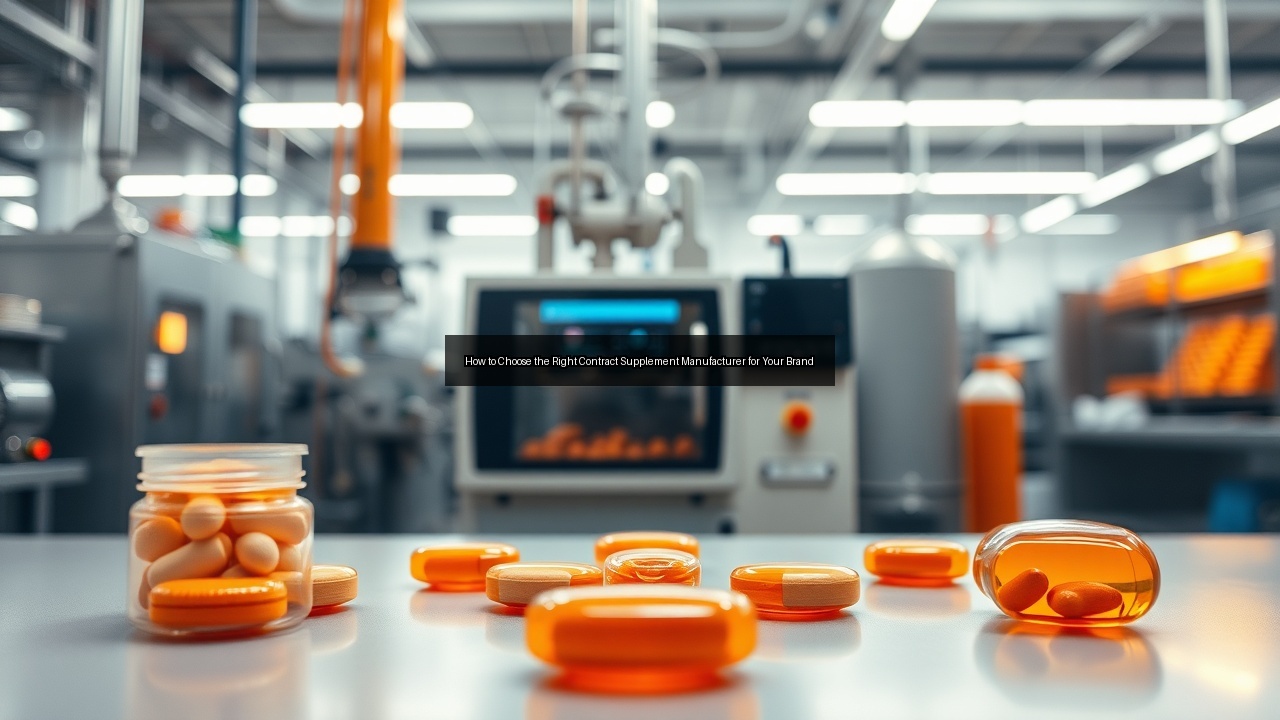
A contract supplement manufacturer specializes in producing dietary and nutritional supplements for brands that do not have their own manufacturing facilities. These manufacturers provide essential services that allow companies to bring their supplement products to market efficiently. By collaborating with a contract manufacturer, brands can tap into the expertise and resources of seasoned professionals, ensuring high-quality production without the overhead costs associated with owning and operating a manufacturing plant. This arrangement allows businesses to focus on branding, marketing, and sales while leaving the complexities of production to the experts.
Key Services Offered by Contract Manufacturers
Contract supplement manufacturers offer a range of services that cater to the unique needs of each brand. These services often include formulation development, sourcing raw materials, product testing, and packaging design. Manufacturers can create custom formulas tailored to specific consumer needs, whether it involves vitamins, minerals, herbal extracts, or other nutraceuticals. Furthermore, they handle regulatory compliance, ensuring products meet the stringent standards set by health authorities. Many manufacturers also provide labeling and marketing support, helping brands effectively communicate their product benefits to consumers. This comprehensive suite of services streamlines the production process and enhances the overall efficiency of supplement development.
Importance of Contract Manufacturing in the Supplement Industry
Contract manufacturing plays a pivotal role in the supplement industry by enabling small and medium-sized brands to compete with larger entities. These manufacturers provide scalability, allowing businesses to adjust production volumes based on demand without incurring significant capital expenses. By leveraging the latest technologies and industry best practices, contract supplement manufacturers can produce high-quality products that meet consumer expectations. This collaboration fosters innovation, as manufacturers often stay at the forefront of market trends and scientific advancements. Ultimately, contract manufacturing helps brands deliver effective supplements that resonate with health-conscious consumers while maintaining flexibility and cost-efficiency.
Evaluating Quality Control Standards
The Significance of Quality Controls in Supplement Manufacturing
Quality control standards are essential in supplement manufacturing, ensuring that products meet safety, efficacy, and labeling requirements. Strict quality controls help prevent contamination, mislabeling, and inconsistencies in ingredient potency. In an industry where consumer trust hinges on product quality, implementing robust quality assurance measures is non-negotiable. Consumers expect supplements to deliver on their promises, and any lapse in quality can lead to significant reputational damage for brands. A reputable contract supplement manufacturer prioritizes quality controls, employing rigorous testing protocols throughout the production process to guarantee that every product aligns with established industry standards.
Common Quality Control Certifications to Look For
When selecting a contract supplement manufacturer, brands should seek out those that hold relevant certifications, such as Good Manufacturing Practices (GMP) and ISO certifications. GMP ensures that products are consistently produced and controlled according to quality standards, while ISO certifications signify adherence to international quality management standards. Additionally, other certifications, such as NSF International or Informed-Choice, indicate that the manufacturer complies with specific industry guidelines. These certifications provide a level of assurance that the manufacturer employs effective quality control measures, making them a reliable partner in producing premium supplements.
How Quality Impacts Your Brand's Reputation
The quality of supplements directly influences a brand's reputation. High-quality products foster consumer trust and loyalty, while poor-quality offerings can lead to negative reviews and loss of market share. Brands that prioritize quality control and partner with reputable contract supplement manufacturers gain a competitive edge, as consumers increasingly seek transparency and efficacy. A commitment to quality can also enhance brand positioning, allowing companies to charge premium prices and attract discerning customers. In an era where health and wellness are paramount, maintaining a reputation for quality remains a critical aspect of long-term business success in the supplement industry.
Choosing the Right Dosage Form for Your Brand
Overview of Popular Dosage Forms: ODT, Effervescent Tablets, and Gel
Selecting the appropriate dosage form is crucial for the success of a supplement brand. Among the most popular options are orally disintegrating tablets (ODT), effervescent tablets, and gels. ODTs dissolve quickly in the mouth, providing convenience and rapid absorption, making them appealing to consumers who dislike swallowing pills. Effervescent tablets offer a refreshing alternative, dissolving in water to create a fizzy drink, which can enhance palatability and absorption. Gels, on the other hand, allow for easy dosing and can provide a smooth, pleasant texture, making them suitable for a variety of formulations. Each dosage form has unique benefits, and selecting the right one can significantly impact consumer satisfaction and marketability.
Factors to Consider When Selecting a Dosage Form
When choosing a dosage form, brands must consider several factors, including target demographics, product stability, and intended use. For instance, older consumers may prefer ODTs or gels due to difficulty swallowing traditional tablets. Additionally, brands should evaluate the stability of active ingredients in various dosage forms, as some may degrade faster in certain environments. The intended use of the supplement also plays a role; for example, if a quick onset of action is essential, an effervescent tablet might be the best choice. Finally, consumer preferences and market trends should guide the decision, as staying in tune with what resonates with customers can lead to greater success.
Understanding Market Trends in Supplement Dosage Forms
Market trends in supplement dosage forms often reflect changing consumer preferences and advancements in formulation sciences. The shift towards convenience and on-the-go consumption has led to a rise in demand for innovative formats such as ODTs and effervescent tablets. Brands that adapt to these trends position themselves favorably in a competitive landscape. Moreover, as consumers become more health-conscious, the popularity of natural and organic ingredients in gels and other formats is surging. Staying informed about these trends allows brands to create products that not only meet consumer needs but also stand out in a crowded market, ultimately leading to increased sales and brand loyalty.
Sustainability and Inventory Management in Supplement Manufacturing
The Rising Demand for Sustainable Manufacturing Practices
Sustainability has emerged as a key consideration in supplement manufacturing, with consumers increasingly favoring brands that prioritize eco-friendly practices. This demand drives manufacturers to adopt sustainable sourcing of raw materials, minimize waste, and implement energy-efficient processes. Brands that align with these values can appeal to environmentally conscious consumers, enhancing their market position. Sustainable manufacturing also involves transparent supply chains, ensuring that all components, from ingredients to packaging, meet ethical and environmental standards. By partnering with a contract supplement manufacturer that prioritizes sustainability, brands not only contribute to environmental preservation but also resonate with a growing segment of the health-conscious market.
Strategies for Efficient Inventory Management
Effective inventory management is crucial for supplement manufacturers to maintain production schedules and meet consumer demand without overextending resources. Implementing just-in-time (JIT) inventory systems minimizes waste and storage costs, allowing manufacturers to order raw materials only as needed. Utilizing advanced inventory management software can enhance visibility and streamline operations, providing real-time data on stock levels and order status. Additionally, establishing strong relationships with suppliers ensures a reliable supply chain, reducing the risk of production delays. By optimizing inventory management strategies, contract supplement manufacturers can improve operational efficiency and better serve their brand partners.
Balancing Sustainability with Cost-Effectiveness
Brands face the challenge of balancing sustainability initiatives with cost-effectiveness in their manufacturing processes. Sustainable practices often involve higher upfront costs, which can deter some companies. However, many manufacturers find that eco-friendly practices can lead to long-term savings through reduced waste and energy consumption. By evaluating the total cost of ownership rather than just initial expenses, brands can identify sustainable options that align with their financial goals. Collaborating with a contract supplement manufacturer that shares these values facilitates the development of products that are both environmentally friendly and economically viable, ultimately supporting the brand's mission while appealing to conscientious consumers.
See Also
- How to Maximize Your Brand’s Potential with Contract Supplement Manufacturers
- Unlocking the Secrets of Quality Control in Contract Supplement Manufacturing
- How to Streamline Your Supply Chain with Contract Supplement Manufacturers
- The Impact of Technology on Contract Supplement Manufacturing Efficiency