Avoiding Common Pitfalls in Industrial Gearbox Servicing
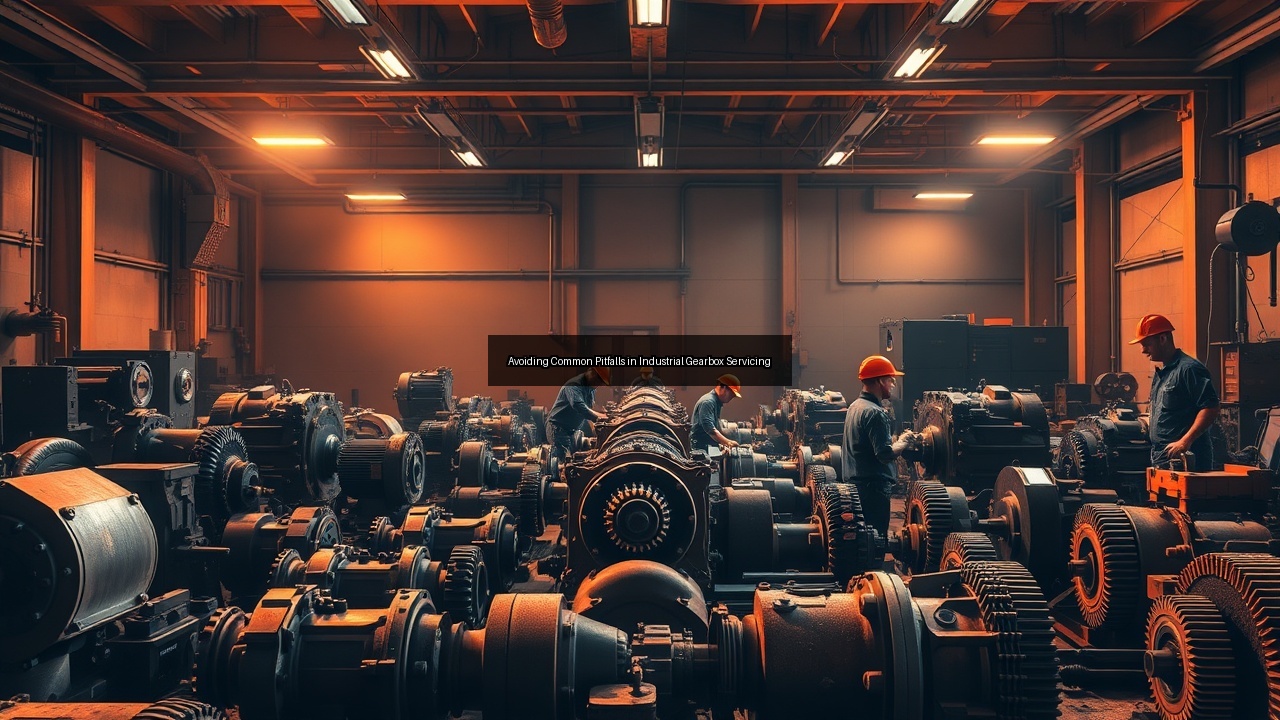
Understanding Industrial Gearboxes and Their Challenges
The Role of Gearboxes in Power Transmission
Industrial gearboxes serve a crucial gearbox maintenance for industry function in power transmission across various applications. These mechanical devices convert high-speed input into lower-speed output while amplifying torque, ensuring efficient operation. Gearboxes facilitate smooth power transfer in machinery, enhancing overall productivity. They find applications in industries ranging from manufacturing to renewable energy, where reliability and performance are paramount. Failure to maintain these systems can lead to significant downtime, impacting operational efficiency and increasing maintenance costs. Understanding the role of gearboxes in power transmission forms the foundation of effective industrial gearbox maintenance.
Common Types of Gearboxes: Focus on Worm Gear and Reducers
Different types of gearboxes exist, each tailored for specific applications. Worm gearboxes, featuring a unique helical design, provide substantial speed reduction and high torque in a compact form. Their self-locking capability makes them ideal for applications requiring high efficiency and limited back-driving. Reducers, on the other hand, are essential for lowering speed while increasing torque. Both types require diligent maintenance to avoid wear and ensure optimal performance. Choosing the right gearbox type for an application is critical, but ongoing maintenance remains vital to sustaining their functionality and efficiency over time.
Key Design Features Affecting Efficiency and Performance
The design of a gearbox plays a significant role in its efficiency and performance. Key features, such as gear tooth geometry, material gearbox maintenance for industry selection, and lubrication systems, directly influence operational outcomes. For instance, precision-engineered gears reduce friction and wear, enhancing the lifespan of the gearbox. Furthermore, a well-designed lubrication system ensures that all moving parts receive adequate oil, minimizing heat generation and preventing failures. Engineers must consider these design elements during both the selection and the maintenance phases to maximize the gearbox's operational efficiency and reliability.
Essential Best Practices for Gearbox Maintenance
Routine Maintenance: Scheduling and Importance
Implementing a robust routine maintenance schedule is essential for prolonging the life of industrial gearboxes. Regular inspections help identify potential issues before they escalate into catastrophic failures. Maintenance tasks should include checking for signs of wear, ensuring proper alignment, and monitoring gear engagement. Scheduling these inspections at regular intervals allows teams to systematically address any abnormalities. A proactive approach to maintenance minimizes unplanned downtime, enhances overall efficiency, and extends the operational lifespan of the gearbox, making it a vital component of industrial gearbox maintenance.
Lubrication Techniques for Optimal Performance
Proper lubrication significantly impacts the performance and longevity of industrial gearboxes. Selecting the right lubricant type—whether oil or grease—depends on the application's speed, load, and environmental conditions. Regularly checking lubricant levels and replacing contaminated or degraded lubricant is crucial for preventing friction-related wear. Techniques such as oil analysis can provide insights into the condition of the lubricant and the gearbox itself. Consistent lubrication practices ensure smooth gear operation, reducing the likelihood of failures and contributing to optimal performance in power transmission applications.
Monitoring Vibration and Torque: Early Detection of Failures
Monitoring vibration and torque provides valuable insights into the health of industrial gearboxes. Abnormal vibration patterns often indicate misalignment, imbalance, or wear in the gearing system. Utilizing vibration analysis tools allows engineers to detect these issues early, facilitating timely interventions. Similarly, monitoring torque levels ensures that gearboxes operate within specified limits, preventing overload situations that could lead to failures. By integrating these monitoring practices into routine maintenance schedules, industries can enhance reliability, reduce unexpected downtime, and save on costly repairs, reinforcing the importance of proactive industrial gearbox maintenance.
Environmental Considerations in Gearbox Servicing
Managing Dust and Contaminants in Industrial Settings
Dust and other contaminants pose significant threats to the integrity of industrial gearboxes. They can infiltrate the gearbox housing, compromising lubrication and leading to premature wear. Implementing effective sealing and filtration systems minimizes the risk of contamination. Regular cleaning of the surrounding area and ensuring proper ventilation can also reduce dust accumulation. Engineers should assess the environment where gearboxes operate and adapt maintenance practices accordingly to mitigate the impact of contaminants, thereby enhancing the reliability and longevity of the gearbox.
Impact of Temperature and Humidity on Gearbox Longevity
Temperature and humidity fluctuations can adversely affect gearbox performance and lifespan. High temperatures can lead to lubricant breakdown, while excessive humidity may promote corrosion in metal components. Monitoring ambient conditions allows for adjustments in lubrication intervals and material selection. Engineers must consider these environmental factors when designing maintenance schedules, ensuring that gearboxes remain operational under varying conditions. Adapting maintenance strategies to account for these elements can significantly enhance the reliability and efficiency of industrial gearboxes.
Adjusting Maintenance Practices for Different Environments
Different industrial environments demand tailored maintenance practices for gearboxes. In harsh conditions, such as those with high dust levels or extreme temperatures, maintenance routines may need to be more frequent and rigorous. Conversely, environments that are cleaner and more controlled might allow for longer intervals between servicing. Understanding the specific challenges posed by different environments enables engineers to customize maintenance strategies effectively. By aligning practices with environmental conditions, industries can optimize gearbox performance and reduce the risk of unexpected failures.
Leveraging Technology in Gearbox Maintenance
Innovative Tools for Maintenance Efficiency
Advancements in technology have revolutionized gearbox maintenance, offering innovative tools that enhance efficiency. Digital monitoring systems equipped with IoT capabilities provide real-time data on gearbox performance. These systems enable predictive maintenance, allowing engineers to identify and address issues before they escalate. Additionally, specialized software can analyze operational data, helping to optimize maintenance schedules. Utilizing these tools not only improves operational efficiency but also reduces downtime, making technology a vital ally in effective industrial gearbox maintenance.
The Role of Engineers in Preventing Downtime
Engineers play a critical role in preventing downtime associated with gearbox failures. Their expertise allows for the design of more resilient gearboxes and the implementation of effective maintenance practices. Regular training and knowledge sharing ensure that engineering teams remain updated on the latest maintenance techniques and technologies. By fostering a culture of proactive maintenance and continuous improvement, engineers significantly contribute to minimizing downtime and enhancing the overall reliability of industrial gearboxes.
Expert Recommendations for Long-Term Gearbox Performance
Experts recommend several strategies for ensuring long-term performance of industrial gearboxes. First, maintain accurate records of all maintenance activities, including inspections and repairs. This data serves as a valuable resource for identifying trends and potential issues. Second, prioritize the use of high-quality components during repairs or replacements to maintain efficiency and reliability. Lastly, engage in continual training for maintenance staff to stay informed about best practices and emerging technologies. By following these expert recommendations, industries can enhance their gearbox maintenance routines and ensure sustained operational excellence.